|
제품 상세 정보:
결제 및 배송 조건:
|
| 제품명: | 고성능 샌딩 벨트 | 재료: | 알루미늄 산화물, 실리콘 카바이드, 지르코니아 알루미나, Superabrasives ZA, |
|---|---|---|---|
| 일생: | 12개월 | 기판 재료: | 천 뒷면, 종이 뒷면, 조합 및 기타 |
| 점착제: | 본드, 특수코팅 | ||
| 강조하다: | HUATAO sanding belt for industrial use,industrial sanding belt with warranty,HUATAO abrasive belt for sanding |
||
For woodworking professionals dedicated to achieving smooth, flawless surfaces while maximizing operational efficiency, the sanding belt represents a fundamental tool that directly influences product quality and production throughput. Whether you operate a small joinery shop or manage an industrial plywood production line, understanding sanding belt technology is essential for optimizing your sanding operations and maintaining competitive advantage.
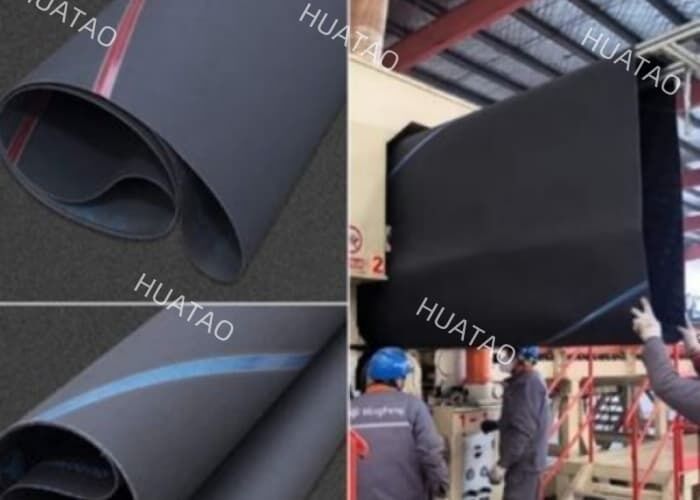
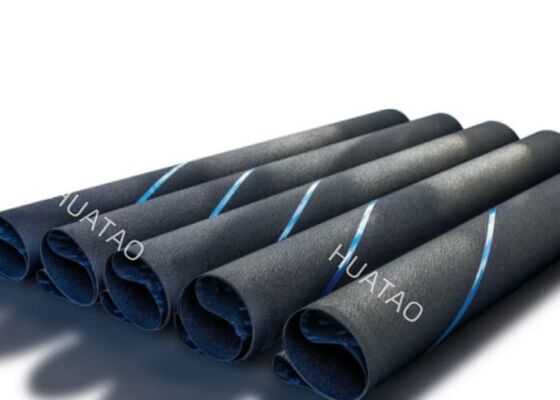
A sanding belt consists of a continuous, flexible loop of substrate material—typically fabric or paper—coated with abrasive grains bonded to its surface. Designed for use with belt sanders ranging from handheld units to industrial-scale machines, sanding belts differ substantially from manual sandpaper in their capacity for consistent, high-speed material removal across large surface areas.
Sanding belts are manufactured in an extensive range of widths, lengths, and abrasive grit sizes, from coarse grades (such as 36-grit) for aggressive stock removal to fine grades (such as 220-grit and above) for precision finishing. The substrate backing, abrasive mineral type, and bonding system vary according to the intended application, whether for wood, metal, or synthetic materials.
Sanding belts serve multiple essential purposes in wood processing environments. Below are the primary functions that make them indispensable tools for modern woodworking facilities.
The primary function of sanding belts involves eliminating rough spots, splinters, and surface irregularities from wood materials. Whether processing raw lumber, peeled veneer, or plywood panels, sanding belts create a smooth, uniform substrate suitable for painting, staining, adhesive application, or finishing. This foundational step ensures that subsequent treatments achieve optimal results without surface defects compromising the final appearance.
For wood components requiring precise profiling—such as curved edges, bevels, or custom contours—sanding belts demonstrate superior efficiency compared to manual sanding methods. Industrial belt sanders equipped with appropriately graded belts can shape workpieces rapidly and consistently, ensuring each component meets exact specifications while reducing labor time and minimizing material waste.
Sanding belts excel at removing existing finishes, paints, stains, and surface defects including scratches, dents, and adhesive residue. Coarse-grit belts efficiently strip away unwanted layers, while finer grits refine the surface to prepare it for subsequent finishing operations. This capability proves particularly valuable when working with reclaimed materials or correcting minor production imperfections.
Properly sanded surfaces exhibit improved adhesion characteristics for paints, stains, and adhesives. Sanding belts create microscopic surface texture that promotes mechanical bonding, resulting in more durable, longer-lasting finished products. For plywood manufacturers, this translates to stronger veneer bonds and superior final product appearance that meets customer expectations.
Choosing the appropriate sanding belt requires consideration of several factors:
Grit Size: Coarser grits (lower numbers) remove material faster but leave deeper scratches, while finer grits (higher numbers) produce smoother surfaces. Most woodworking applications progress from coarse to fine grits in multiple steps.
Backing Material: Fabric backings offer greater durability for heavy stock removal, while paper backings provide better flexibility for contour sanding.
Abrasive Mineral: Aluminum oxide is the most common choice for woodworking, while zirconia alumina and ceramic grains offer longer life for demanding applications.
Belt Dimensions: Width and length must match your specific sander model and workpiece requirements.
For woodworking operations of any scale, sanding belts directly influence production efficiency, product quality, and operational costs. The right sanding belt reduces processing time, minimizes material waste, extends equipment life through proper abrasive selection, and ensures consistent finish quality across production runs. Additionally, modern sanding belt technology offers enhanced durability, improved heat dissipation, and reduced loading characteristics that further optimize wood processing operations.
담당자: Maple
전화 번호: +86 15103371897
팩스: 86--311-80690567